


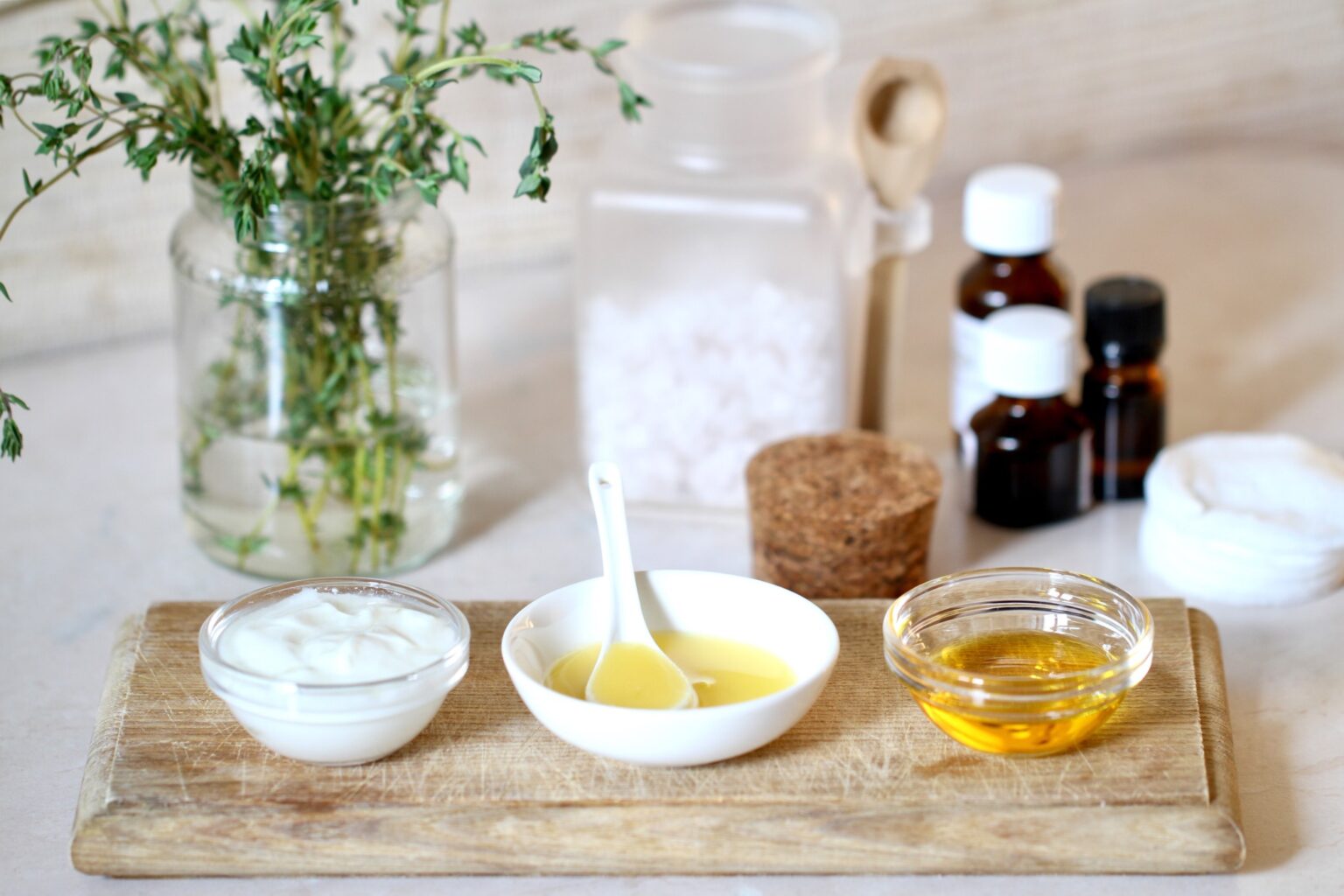
Did you know that the beehive products Are beeswax (i.e., those collected and processed by bees) also used to treat certain diseases? Yes, let's explore apitherapy and its benefits together. This is an aspect worth considering because it highlights, once again, the importance of our tiny pollinating insects and the work they do. Bees help nature by ensuring the proliferation of plants and flowers, but they also help humans by providing products beneficial to their health. But let's take things one step at a time and discover what apitherapy is.
What is apitherapy and how did it originate?
Apitherapy is a branch of natural, or alternative, medicine that uses beehive products – such as beeswax, honey, royal jelly, pollen and propolis – to treat more or less serious conditions. It is defined as a set of targeted treatments for the well-being and psychophysical recovery of the body. It offers the opportunity to alleviate certain bodily dysfunctions, sometimes integrating bee products with "traditional" medicines and pharmaceuticals.
Human use of honey has its roots in the distant Mesolithic period, approximately 9,000 years ago, as evidenced by some cave paintings in a Valencian cave depicting a man in a tree intent on gathering honey. Numerous other historical documents testify to the birth and evolution of beekeeping, although it's only been in the last 150 years that honey has been used medicinally, thanks to the discovery of its numerous beneficial properties.
There Ayurvedic medicine, for example, describes honey as an antitoxic, healing, cosmetic, thirst-quenching, purifying, cooling, regulating, tonic, and vermifuge. Today, in many countries around the world, after years of in-depth study, apitherapy has already been officially recognized as a medical practice, while in many others it is receiving various recognitions. Several conferences have been held in Austria, France, Germany, Romania, and Switzerland, featuring international experts in the field, and refresher and training courses have been organized for doctors and professionals in the field. In Italy, however, although we are still far from official recognition as a branch of medicine, we are on the right path to making a qualitative leap forward and recognizing its importance.
A tradition rooted in history
When we talk about apitherapy, We're not talking about a passing fad. The connection between humans and bee products has ancient origins, dating back thousands of years, when the first civilizations began to understand the healing power of what bees produced.
In ancient Egypt, for example, honey was already used for the treatment of wounds and propolis It was well known to the priests, who exploited its properties in medicine and even in the art of mummification. Egyptian papyri describe the pollen as a “life-giving dust”, a surprising intuition if we think about what modern science has since confirmed about its nutritional and beneficial properties.
Even in the East, the history of apitherapy has deep roots: in China, the therapeutic use of honey has been documented for approximately 5,000 years, while the sacred texts of the Indian tradition, the Sanskrit Vedas, indicate honey as a remedy for numerous ailments. The idea that beehive products The idea that they could give health and vigor was so widespread that it was also found in the religious texts of various cultures, from the Old Testament to the Koran.
However, it was in ancient Greece that apitherapy began to take on a more rational and scientific dimension. Hippocrates, the father of Western medicine, who lived between 460 and 370 BC, was among the first to describe the therapeutic effects of honey, recommending it for the treatment of wounds, ulcers, and various ailments. Aristotle, for his part, praised its beneficial properties for the eyes. A fascinating fact: legend has it that a swarm of bees always settled on Hippocrates' tomb, whose honey had extraordinary healing properties. As if to say that the connection between bees and medicine was written by destiny.
Apitherapy also found fertile ground in ancient Rome. Pliny the Elder and Galen, among the most influential physicians of the time, considered honey a versatile remedy, useful for oral ailments, intestinal disorders, and much more. Centuries of medical knowledge passed down and refined, which laid the foundation for what we know today as modern apitherapy.
What is striking in this long journey through history is the constant: wherever man has encountered bees and their products, he has recognized their therapeutic value. From the caves of Mesolithic From its origins to modern research centers, apitherapy has endured for millennia without ever losing its relevance. Indeed, today more than ever, thanks to scientific studies confirming what our ancestors instinctively knew, this discipline is experiencing a true renaissance.
And we at Salva le Api believe that this story reminds us of something fundamental: protecting bees does not only mean defending biodiversity, but also safeguarding a wealth of knowledge and natural well-being that humanity has been passing down for millennia.
Beyond Honey: Bee Venom and Apipuncture
When talking about apitherapy, the thought immediately runs to the honey and its countless uses. Yet, among the most surprising gifts of the hive is one you wouldn't expect: bee venom. Yes, the very substance we associate with the annoyance of a puncture In expert hands and under the right conditions, it can prove to be a precious ally for health.
Bee venom is a clear liquid with a bitter and slightly acidic taste, produced by special glands in the abdomen of worker bees. Its composition is a small masterpiece of nature: it contains at least 18 pharmacologically active components, including enzymes, peptides, and amino acids. The most studied substance is melittin, a powerful anti-inflammatory agent that works by stimulating the immune system and promoting the natural production of cortisol by the adrenal glands.
The therapeutic practice that exploits these properties is called bee puncture It's one of the most fascinating—and controversial—branch of apitherapy. What does it involve? Bee venom is administered in small, controlled doses through direct stinging of the insect at specific points on the body, or through subcutaneous injections, creams, and ointments. In some Eastern European countries and China, apipuncture is even combined with traditional acupuncture, creating an integrated approach that unites two age-old wisdoms.
This is not news: Hippocrates himself used bee venom for healing purposes, calling it Arcanum, and historical figures such as Charlemagne and Ivan the Terrible resorted to bee stings to find relief from gout. Among beekeepers, moreover, an empirical observation has always been known that has fascinated generations: those who work daily with bees and receive regular stings tend to suffer less from rheumatic pain. A coincidence? Perhaps not.
Research conducted primarily in Russia, Romania, Germany, and France has shown that apipuncture can offer benefits in the treatment of various conditions: rheumatoid arthritis, tendonitis, bursitis, neuralgia, sciatica, and chronic joint pain. More recent studies are also exploring its potential in the field of neurological and autoimmune diseases, such as multiple sclerosis. Furthermore, bee venom has shown positive effects on blood circulation and skin elasticity, so much so that it is also appreciated in cosmetics—a true "natural Botox," as some call it.
It's important to clarify, however: apipuncture is not something to be improvised. Bee venom can cause severe allergic reactions, even anaphylactic shock, in susceptible individuals. For this reason, any venom-based apitherapy treatment must be preceded by a thorough medical checkup and conducted exclusively by qualified professionals. Safety always comes first.
One aspect that is particularly important to us at Salva le Api is the way the venom is collected. Today, techniques are used that allow the venom to be extracted without harming the bees: an electrified membrane placed at the hive entrance induces the bees to release a drop of venom without losing their sting, allowing them to continue living and carrying out their precious work in the hive.
If you want to delve deeper into this fascinating topic, we have dedicated a specific article to it. Bee venom and its properties against chronic pain and inflammation. Because apitherapy, as you'll see, is a world that goes far beyond a teaspoon of honey.
Breathing the hive: Apiaromatherapy
THE'’Apiaromatherapy It is one of the most fascinating frontiers of modern apitherapy, a practice that allows you to benefit from the work of bees without any direct contact, simply by breathing in the scents that arise within their "city"“.
This technique exploits the warm and dense air of the hive, full of volatile substances and essential oils that the bees release during the processing of nectar and resin..
A breath of nature for the lungs and the mind
Imagine entering a garden or a forest and smelling that typically intense scent that attracts bees when spring awakens.. The air of the hive contains this essence, enhanced by the antibacterial and balsamic properties of the hive products:
- Action on the respiratory tract: Breathing these substances helps to dissolve phlegm and quickly restore respiratory balance, just like when we take a teaspoon of heather honey or eucalyptus.
- Valuable content: The air is rich in bioactive compounds that come directly from bees and plants, including balms, resins, and a percentage of volatile essential oils (about 10% in the composition of propolis).
- Sedative and relaxing effect: Just as honey can act on our nervous system by reducing stress levels, apiaromatherapy has a sedative and calming effect, ideal after a long and stressful day at work.
- A remedy for the soul: This “relaxation break” helps us regenerate from daily stress, providing relief that can be truly immediate for our psyche.
How does it work?
Man has learned to coexist with nature without harming the environment, creating special structures where it is possible to inhale the fumes of the hive in complete safety.. Thanks to the natural heat produced by the movement of bees (which makes the resins more malleable and volatile), the air is enriched with antiseptic properties that protect the hive from bacteria and, once inhaled, strengthen our immune defenses..
Practicing apiaromatherapy is like taking a journey through time and space, returning to those ancient traditions that saw the hive as an open-air pharmacy.. It is a unique sensory experience that reminds us how fundamental the conservation of biodiversity is for the health of our entire planet..
Apitherapy: All the healing properties of beehive products
All beehive products, due to their rich composition, can therefore be used to treat various pathologies. Let's look at them in detail.
- Honey is increasingly used in medicine for all the properties derived from the plants on which bees rest and collect pollen (which is why honey's characteristics are so many and varied). Almost all types of honey available on the market have anti-inflammatory and healing properties and can be highly effective against multi-resistant bacteria. It is useful for physical and mental fatigue, anorexia, and nutritional deficiencies, as well as for digestive and intestinal problems.
- Beeswax has pain-relieving properties, but is also highly recommended for flu, colds, and minor respiratory problems (asthma).
- Royal jelly is recommended for fatigue, stress, and depression. It also improves the immune response and the body's physiological functions, and acts as a stimulant. Overall, it gives the body a greater sense of well-being.
- Pollen – an element collected by bees, but not treated or processed – is useful for countering the symptoms of seasonal allergies, for improving memory in the elderly and physical performance in athletes.
- Propolis has excellent biological and therapeutic properties. Raw propolis is especially indicated for oral conditions, preventing cavities and dental plaque, and treating gingivitis. It is also useful for genital herpes.
Contraindications and safety: the importance of an informed approach
Although apitherapy is a precious gift of nature, taking care of your body in a natural way requires attention and common sense.. Despite the numerous benefits, there are some fundamental precautions to keep in mind to ensure safe and risk-free consumption.
Allergies and individual sensitivities
The most critical aspect concerns allergic reactions. Products such as bee venom, propolis, or pollen can trigger adverse reactions in predisposed individuals..
- Allergic reactions: Before starting any treatment, especially if it involves apipuncture or taking pure propolis, it is essential to consult your doctor to rule out hypersensitivity that could cause unpleasant side effects.
- Small children: Particular attention should be paid to infants; unpasteurized honey may contain spores of Clostridium botulinum, potentially dangerous for their still immature immune systems.
Diabetes and calorie control
Honey is a wonderful natural ingredient, but it remains a caloric and sugary food..
- Gestational Diabetes: Women who develop diabetes during pregnancy must be extremely careful about honey consumption due to its high glycemic index.
- Low-calorie diets: For those on a diet, it's not recommended to consume large quantities; it's best to limit yourself to a small daily dose to enjoy the benefits without exceeding your calorie intake.
Quality and conservation
For apitherapy to be truly effective, the authenticity of the product is everything..
- Certified origin: Always choose products from reliable sources, preferably organic and from trusted beekeepers, to avoid contaminants or pesticides.
- Correct storage: To preserve nutritional properties and avoid involuntary fermentation, store honey and beehive products in cool, dry places away from direct light.
- Beware of heat: Avoid heating honey above 40°C or adding it to boiling drinks, as many of its beneficial properties will be lost.
Medical consultation
Let us always remember that beehive products are extraordinary foods and natural adjuvants, but they must not replace pharmacological therapies prescribed for serious pathologies.. In case of acute or persistent pain, contacting your GP remains a necessary step to preserve your health..
Having reached the end of this journey into the heart of the hive, it's clear that apitherapy isn't a single "medicine," but an entire ecosystem of well-being. Whether it's soothing persistent inflammation, overcoming seasonal fatigue, or simply finding peace of mind after a hectic day, bees have a solution tailored just for us.
To help you navigate this fascinating world and choose the path best suited to your needs, here's a summary table comparing the main apitherapy practices:
| Practice | Product Used | Main Benefits | Ideal For | Precautions |
| Apipuncture | Bee venom (Apitoxin) | Powerful anti-inflammatory and analgesic action. | Rheumatism, joint pain, neuralgia. | Avoid if allergic to Hymenoptera; requires medical supervision. |
| Apiaromatherapy | Beehive air (resins, essential oils) | Balsamic, mucolytic and sedative action. | Those suffering from stress, insomnia or mild respiratory problems. | Make sure you go to certified facilities. |
| Nutrition and Supplementation | Royal Jelly, Pollen, Honey, Propolis | Strengthens the immune system, provides energy, and has a natural antibiotic effect. | Children (over 1 year), athletes, the elderly and during seasonal changes. | Caution in case of diabetes (for honey) and for infants under 12 months. |
| Topical Use and Cosmetics | Beeswax, Honey, Propolis | Deep hydration, healing and antibacterial action on the skin. | Dry skin, small abrasions, acne or irritation. | Always test a small amount to rule out skin hypersensitivity. |
Rediscovering these ancient remedies isn't just about taking natural and effective care of your body, it's also a profound act of gratitude towards nature. Incorporating apitherapy into our daily lives is a way to remind ourselves, every day, that protecting bees ultimately means protecting ourselves.


 Italiano
 English (UK)
 Français
 Español
 Deutsch