


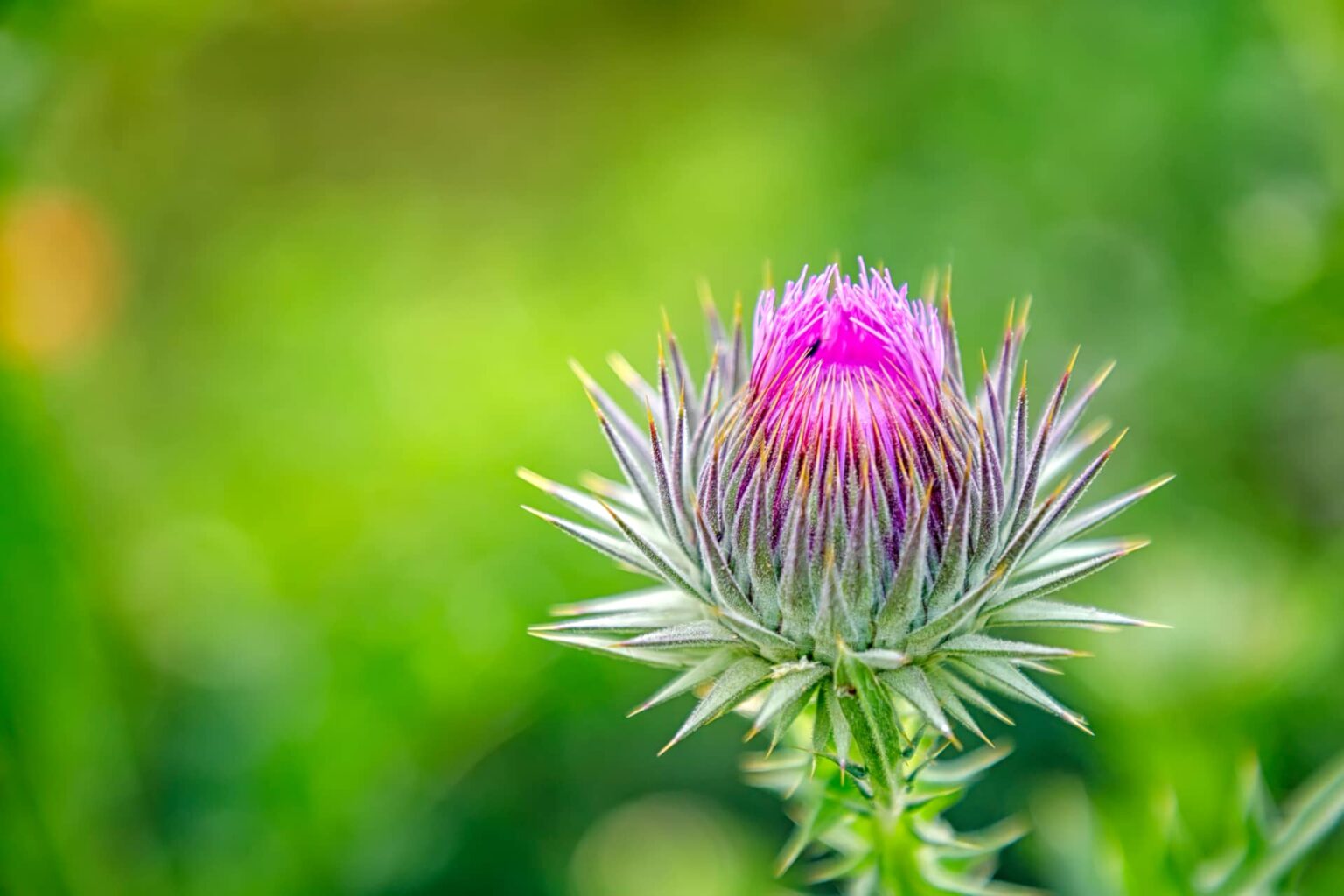
Thistle honey is a highly prized delicacy, appreciated by true connoisseurs. It's not a very well-known honey, but it has truly significant beneficial properties: if consumed regularly and daily, it helps restore the body's balance in a completely natural way.
Carlo's Honey is known to enthusiasts for its intense, floral flavor, making it an excellent sweetener, recommended as a substitute for refined sugar. What makes it truly unique, beyond its flavor and color, which we'll explore in detail, is its unique vitamin and mineral content. A teaspoon of Cardoon Honey a day is an incredible ally, a unique tonic for our bodies: try it and believe it.
Let's find out together what the main characteristics of Cardoon Honey are, what distinguishes it from the more widespread and well-known Acacia Honey, Chestnut Honey e Wildflower Honey.
Characteristics of thistle honey
The main characteristics of thistle honey contribute to making it a one-of-a-kind honey! Most notably, thistle honey's flavor is decidedly sweet with a distinctly bitter aftertaste; its aroma is very distinctive and easily recognizable. Furthermore, its color is amber, sometimes darker, sometimes lighter, with crystallization occurring after its natural maturation. The color of thistle honey ultimately depends directly on the thistle's flowering.
You can then recognize intense floral notes and a slightly more astringent aftertaste than usual. Its flavor comes directly from its flowers which grow mostly in Sardinia (the Thistles (They prefer the warm places of Southern Italy and its Mediterranean climate.) Thistle honey is delicious to try in the kitchen as an accompaniment to stronger flavors, such as more intensely flavored cheeses and red meat, or it is fantastic if served to your guests diluted in black tea!
Properties and benefits of thistle honey
Thistle honey has long been used in cooking for its beneficial properties, known for their powerful detoxifying properties. It is, in fact, an excellent natural remedy, ideal for combating and combating inflammation and intoxication of the pancreas, liver, and stomach; it is also excellent for combating ulcers and intestinal bacterial infections.
Besides being a perfect tonic for our body, it brings to the table all the beauty and intensity of Sardinia, the region from which it originates, and all the magic of an ancient tradition that struggles to disappear. It might remind us of the honey we ate as children, the one that accompanied the snacks our grandmother made for us, the best ever: all it took was a slice of toast with a fig and a teaspoon of apples, and the goodness was simply served at the table.
Thistle honey is also a delicious sweetener, and thanks to its intense floral flavor, it's recommended in every Mediterranean diet. It's also known for its benefits for digestion (taking a teaspoon of thistle honey after meals is a real panacea for feeling heavy and tired) and blood circulation.
In fact, thistle honey has always been a great friend to the heart and our circulatory system! Why? Because it's an important cardiostimulator that helps promote circulation, a common problem in those who suffer from it. Finally, thistle honey is rich in vitamins and minerals, thus aiding both digestion and food assimilation, easing our body's immune system and counteracting the formation of free radicals, the main causes of the much-feared premature aging.
Nutraceutical Properties: Beyond the Simple Sweetener
The thistle honey It is not simply a natural sugar to dissolve in tea: it is a functional food in all respects, whose biochemical composition places it in a very different category from common sweeteners. The term nutraceutical, a fusion of “nutrition” and “pharmaceutical”, perfectly describes its nature: a food that nourishes and at the same time exerts a measurable beneficial action on the body.
The most studied component is undoubtedly the silymarin, a family of flavonoligans that bees transport in nectar by collecting thistle pollen, and which is found in a bioavailable form in honey. This substance is traditionally associated with the protection of liver cells and antioxidant action: it is no coincidence that phytotherapy has been using milk thistle extracts for centuries (Silybum marianum) to support liver function. In thistle honey, this action complements that of the other polyphenols present, creating a synergistic effect that goes far beyond that of the single compound isolated.
Added to this is a highly respectable enzymatic profile: thistle honey is particularly rich in glucose oxidase, the enzyme responsible for the production of hydrogen peroxide which gives honey its known antimicrobial properties. In therapeutic properties of honey It is precisely this enzymatic component that distinguishes quality honey from one that has undergone excessive heat treatments, which is why artisanal thistle honey, cold-extracted and unpasteurized, maintains a significantly higher nutraceutical value than the industrial product.
The contribution of the bioavailable minerals: calcium, potassium, magnesium and traces of iron and zinc, concentrated to a greater extent than other more delicate honeys, such as acacia honey. This mineral richness, combined with the presence of free amino acids and B vitamins, makes thistle honey a valuable ally during periods of physical and mental fatigue, as well as a natural support for those seeking to supplement their diet with bioactive plant-based substances.
Choosing thistle honey therefore means going beyond the flavor, however intense and distinctive, and recognizing in this product a concentration of botanical, enzymatic, and phytochemical information that no conventional sweetener can ever replicate. To learn more about its complete nutritional profile, it may be useful to consult the nutritional values of honey and understand how thistle honey ranks among the most complex and interesting of all Italian beekeeping products.
An Elixir for the Digestive and Liver System
Among all the benefits attributed to the thistle honey, Those affecting the digestive system and liver health are the most well-documented in the Mediterranean herbal tradition and are increasingly confirmed by modern scientific research. This is not a generic effect, common to many honeys, but a specific and targeted action, closely linked to the plant of origin and its characteristic bioactive compounds.
At the gastric level, thistle honey has an action soothing and protective on the stomach mucosaIts natural viscosity forms a protective film on the gastric walls, reducing irritation caused by excessive acidity. Those who suffer from reflux or recurring gastric discomfort may find relief from taking a teaspoon of thistle honey on an empty stomach in the morning, a habit that has been passed down through generations in Southern Italian folk medicine. The link between honey and reflux It is, after all, a well-known topic even in the naturopathic field, and thistle honey stands out in this context for its particularly balanced action between the sweet component and the presence of bitter substances typical of the plant.
The most extraordinary effect, however, concerns the liver. Flavonoligans derived from cardoon, particularly silymarin, have a hepatoprotective effect that supports the organ's natural detoxification processes. The liver is responsible for neutralizing hundreds of potentially harmful substances that pass through the body every day: a constant, sweet, and easily assimilated nutraceutical support like cardoon honey can help maintain these mechanisms' efficiency, especially during periods of dietary overload or exposure to high oxidative stress. Not surprisingly, the honey and gastritis find in thistle honey one of the most suitable combinations among the monofloral varieties available on the Italian market.
On the intestinal front, the presence of active enzymes and prebiotic oligosaccharides It promotes the balance of bacterial flora, supporting the proliferation of beneficial bacteria at the expense of pathogenic ones. This prebiotic effect, enhanced by honey's intrinsic antimicrobial properties, makes thistle honey a natural ally for those experiencing periods of intestinal dysbiosis, convalescence, or simply wishing to maintain a healthy gut through daily nutrition.
It's worth remembering that to preserve these digestive and hepatic properties intact, it's essential not to add thistle honey to very hot drinks: temperatures above 40°C rapidly degrade the enzymes and phenolic compounds responsible for these effects. It's best to dissolve it in warm water, add it to yogurt, or consume it directly from a spoon—simple, pure, in its most authentic form. For those who want to learn more about this product, therapeutic properties of honey In a broader sense, the journey of discovery of this extraordinary functional food has just begun.
The Cardoon Plant: A Miracle of the Mediterranean Scrub
The cardoon is one of the most iconic plants of the Mediterranean landscape, capable of surviving where few other species can. Belonging to the cardoon family, Asteraceae, the term “cardo” does not indicate a single species but a real botanical family that includes dozens of varieties, including the Cynara cardunculus (the wild thistle), the Cirsium and the Carduus, widespread in uncultivated areas, along roadsides and in abandoned fields in central and southern Italy, Sardinia and Sicily.
What sets the cardoon apart is its extraordinary adaptability: its leathery, spiny leaves minimize transpiration, allowing the plant to thrive during the driest summer months, when the Mediterranean scrub appears parched and silent. Precisely during this period, between June and August, the cardoon bursts into bloom, coloring the fields with its characteristic deep, velvety purple chalathides, a rare and precious spectacle in the summer ecosystem.
Why is thistle so important for bees?
From a beekeeping perspective, cardoon represents a truly strategic resource. It flowers in midsummer, at a time when most other honey-producing plants have already completed their cycle, offering bees abundant, sugar-rich nectar just when other sources of supply are scarce. It's no coincidence that beekeepers in Southern Italy and the islands often practice thistle cultivation.’nomadic beekeeping moving the hives to areas where thistle is most dense, to make the most of this late flowering.
Thistle nectar is particularly appreciated by Apis mellifera, but also attracts solitary bees and numerous other pollinators, contributing significantly to the biodiversity of Mediterranean ecosystems. A single plant can produce dozens of chalathids over the course of its season, ensuring a constant and prolonged flow of nectar.
The botanical characteristics of the thistle
The cardoon plant is easily recognizable by its large, deeply lobed leaves with sharp spines along the edges. The sturdy, thorny stem can reach two meters in height in the most vigorous varieties. The flowers, clustered in typical spherical or oval chalathids, are composed of dozens of small, tubular purple or reddish-purple florets, each of which produces nectar independently, making each inflorescence a significant source of nectar.
This floral structure is the key to the thistle's success as a honey plant: bees can access the nectar without difficulty, and the long permanence of the flowers on the plant (even two or three weeks for each calathid) guarantees prolonged abundance over time. It is no coincidence that thistle honey is considered one of the types of monofloral honey, among the most prized and sought-after on the Italian scene.
A garrison for biodiversity
The cardoon isn't just a forage plant for bees: it's a true ecological asset. Its seeds, rich in oils, are a crucial source of nourishment for numerous bird species, including the goldfinch (which owes its name to the cardoon). Its deep roots counteract soil erosion in arid and stony terrain, while its spiny structure provides shelter for small insects and invertebrates.
In a context where the decline in wild bees It has become one of the most urgent ecological emergencies, the presence of thistles in uncultivated lands represents one of the most precious natural resources we can preserve. For this reason, many beekeepers and naturalists encourage people not to uproot wild thistles during field clearing operations, recognizing their irreplaceable role in the ecosystem. seasonal blooms for beekeeping.
The honey that the bees obtain from this extraordinary plant brings with it all the wild and uncontaminated character of the Mediterranean scrub, a unique terroir, difficult to replicate, which makes the thistle honey a product of excellence in the panorama of Italian beekeeping.
Directions for Use: From Breakfast to Relaxation Break
Thistle Honey is not a simple sweetener, but a real wellness ritual that can accompany you at different times of the day.. Thanks to its intense flavour and floral notes, it is highly recommended as a substitute for refined sugar for those following a balanced Mediterranean diet..
- The Energetic AwakeningStart your day with a teaspoon of pure thistle honey; it's a unique tonic that provides essential vitamins and minerals to help you get through your day.
- After mealsIf you feel heavy or tired, taking a teaspoon of this honey is a real cure-all, as it aids the digestion and assimilation of food.
- The Relax BreakFor a moment of peace, try it diluted in black tea; its aromatic notes blend perfectly with hot infusions, offering a treat for the palate and the nervous system.
- Traditional SnackAs our grandmothers taught us, a slice of toasted bread with a fig and a teaspoon of honey is enough to serve the most genuine goodness ever.
Recommended Pairings Table
For true connoisseurs and those who love to experiment in the kitchen, here's how to combine the bold character of Cardoon Honey with strong, authentic flavors.
| Category | Recommended Pairing | Why choose it |
| Cheeses | Aged Pecorino Sardo or spicy cheeses | The bitter aftertaste of honey balances the saltiness of the cheese. |
| Meat | Grilled or stewed red meats | The intense floral notes enhance the strong flavours of the meat. |
| Drinks | Black tea or hot infusions | It acts as a delicious sweetener without covering the aroma of the tea. |
| Fruit | Fresh or dried figs | It recalls the flavours of childhood and Sardinian tradition. |
| Bread | Toasted whole wheat or cereal bread | It enhances the fragrance of the wheat with its amber consistency. |
A little secret for your health
Remember that thistle honey is also an excellent "friend of the heart": its cardio-stimulating action helps improve blood circulation, making it perfect for those who want to take care of their circulatory system in a completely natural way..
To discover other secrets on how to enhance beehive products, don't miss our Honey and Cheese Pairing Guide.
A treasure to be carefully guarded
To preserve the vitamins and precious minerals of thistle honey intact, always store it in a cool, dry place away from direct light.. Proper storage ensures that this natural cardio-stimulator maintains its detoxifying properties and its unmistakable floral aroma..


 Italiano
 English (UK)
 Français
 Español
 Deutsch